
Quick website design stack is not a buzzword anymore. It is the difference between a business that grows online and one that dies quietly in a Google search result nobody ever sees.
Here is a number that should scare you: studies show that 57% of internet users say they will not recommend a business with a poorly designed mobile website. Not a slow website. Not an ugly website. Just a poorly designed one. And right now, as you read this, potential customers are searching for exactly what you offer. If you do not have a professional website, they are finding your competitor instead.
This is 2026. The bar for what a business website needs to look like has gone up dramatically. But here is the good news: so has the speed at which you can build one. The right quick website design stack today can get a professional, conversion-ready site live in as little as 7 days.

This guide is for every business owner, founder, or entrepreneur who keeps saying “I need a website” but does not know where to start. We have researched the most commonly asked questions online about this topic and answered each one with real data, real examples, and real advice. No fluff. No jargon. Just the truth about what works in 2026.
What People Are Searching For: Real Questions, Real Answers
Before diving deep, here are the trending questions people are actually typing into Google right now about the quick website design stack. We have taken each one and given you a thorough, honest answer. Quick Website Design Stack Secrets Top Agencies Use.
Q1: What Is a Website Design Stack and Why Does It Matter in 2026?
A website design stack is the combination of tools, platforms, and technologies used together to design, build, and run a website. Think of it like the kitchen setup at a restaurant. A single chef with a bad stove, no knives, and no recipe will produce terrible food no matter how talented they are. But give that same chef a professional kitchen with the right tools, and they can produce incredible results fast.

Your quick website design stack works the same way. If you are using a bad combination of tools, your website will be slow, hard to update, look outdated, and cost you more money to maintain. If you use the right combination, your site loads fast, looks modern, ranks better on Google, and converts visitors into paying customers.
In 2026, a typical quick website design stack for a small business includes three layers.
The foundation layer covers your content management system, which is the software that runs your site. WordPress dominates this space. As of 2026, WordPress powers approximately 43.4% of all websites on the internet and holds a 62.8% share of the entire CMS market, which is nearly ten times higher than its closest competitor. ThemeHunk Over 861 million websites have been built on WordPress globally. When that many businesses trust one platform, there is a reason for it.
The design layer covers your page builder or theme, the tool that controls how your site looks. Tools like Elementor and Astra sit in this layer. Elementor alone powers over 18 million active websites. If Elementor were counted as a standalone CMS, it would arguably be the second or third largest platform in the world, eclipsing most dedicated SaaS competitors combined. Elementor These tools let you design professional pages without writing a single line of code.
The performance layer covers your hosting, caching, SEO, and security tools. This is the layer most beginners skip, and it is the reason so many websites look great but load slowly and never rank on Google.
When all three layers work together properly, you have a quick website design stack that can be built fast and grows with your business for years. The reason the stack matters even more in 2026 is that the internet has gotten crowded. Building any website is no longer impressive. Building a fast, beautiful, mobile-first website that actually converts visitors is what separates the businesses winning online from those just taking up digital space.
Q2: What Tools Are Actually in a Quick Website Design Stack in 2026?
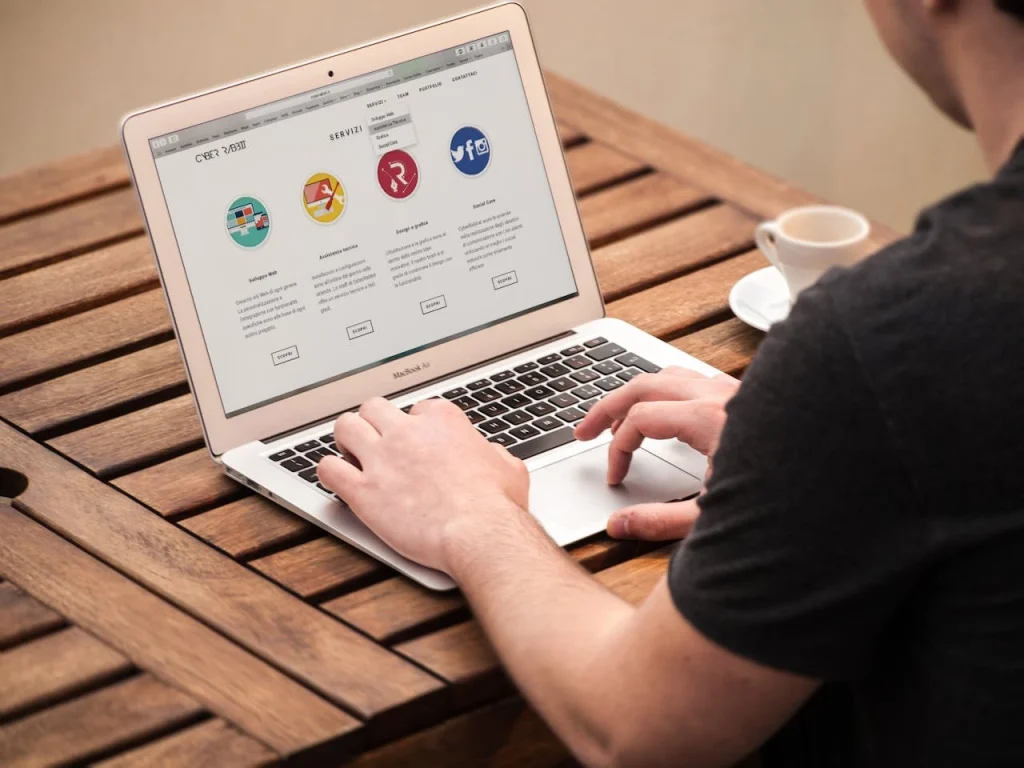
This is the question most people really want answered. Not a vague overview. A specific list of what tools go in a quick website design stack and why.
Here is what the data and the professionals agree on in 2026.
WordPress is the starting point for any smart quick website design stack. It is free to use, endlessly flexible, and supported by a massive global ecosystem of developers, themes, and plugins. The platform powers everything from personal blogs to enterprise eCommerce stores. The key insight in 2026 is that WordPress is not just a blogging tool anymore. It is the world’s most capable and widely supported website foundation, and it is only getting stronger with features like Full Site Editing and AI-assisted workflows baked directly into its ecosystem.
Once WordPress is installed, you need something that controls how your site looks and behaves visually. Elementor is the most popular visual page builder in the world, and Astra is an excellent lightweight theme, especially when paired with a block builder like Spectra. These tools let you drag and drop design elements, customize colors and fonts, build landing pages, and adjust every part of your site’s appearance without touching code. They are what make a quick website design stack actually quick.
Do not underestimate your hosting provider. Your website stack, the collection of technologies, tools, and frameworks that power your site, matters more than most business owners realize. Choose the wrong combination and you are stuck with slow load times, clunky integrations, and a site that feels outdated before you have even launched. Bententerprise In 2026, managed WordPress hosting from providers like Kinsta, WP Engine, or Cloudways gives you server environments tuned specifically for WordPress performance. Cheap shared hosting might save you a few dollars a month but cost you thousands in lost customers when your site loads slowly.
A beautiful website that nobody can find is just an expensive digital business card. SEO plugins like Yoast SEO or Rank Math plug directly into your quick website design stack and give you control over title tags, meta descriptions, schema markup, sitemaps, and on-page optimization. These tools alone give your site a fighting chance at ranking on the first page of Google.
If your business sells products or services online, WooCommerce is the gold standard plugin for adding eCommerce functionality to WordPress. Over 6.2 million websites use WooCommerce globally. ThemeHunk It integrates seamlessly into your stack and gives you full control over your store without the ongoing transaction fees of platforms like Shopify.
WordPress is a target. On average, a WordPress site faces an attack every 28 minutes. Each day, it receives about 52 attempts to exploit weak passwords, vulnerable plugins, themes, and other security gaps. DiviFlash A plugin like Wordfence or Sucuri sits quietly in the background of your quick website design stack, blocking malicious login attempts and scanning for vulnerabilities automatically.
Read also: What Makes a Website Look Professional
Finally, the whole point of building a website is to generate leads or sales. A contact form plugin like WPForms connects your site to your email or CRM system and makes sure every inquiry lands in your inbox immediately. This is the piece that closes the loop between attracting visitors and turning them into customers.
Together, these seven tools form a quick website design stack that is fast to build, easy to manage, and built to last well beyond 2026.
Q3: How Long Does It Actually Take to Build a Website With the Right Stack?
This is where honest answers really matter because the internet is full of misleading timelines.
Here is the realistic breakdown based on current 2026 data.
A one-page business website with content ready can typically be completed in 5 to 10 business days when built by an experienced professional. A standard small business website with 5 to 7 pages usually takes 2 to 4 weeks because it needs more content, more design work, and more revisions. Best Media Agency
A focused developer working on your project full time could deliver a five-page WordPress site in 5 to 10 business days. In practice, most freelance projects run 3 to 6 weeks because developers juggle multiple clients, and back-and-forth on design revisions adds days at each stage. GigaPress
A large traditional agency using slow approval processes can stretch a basic business website out to 2 to 4 months. This is not because the work requires that time. It is because of excessive internal meetings, scope creep, and workflows not designed around speed.
The key differentiator in 2026 is the quick website design stack itself. When a professional uses modern tools, pre-built components, and an efficient workflow inside WordPress with a visual page builder, a 7-day delivery timeline for a clean, professional business website is absolutely achievable.
Think of it like building with LEGO versus building from scratch with raw timber. Both result in a structure, but one gets you there in an afternoon and the other takes weeks of skilled labor. A modern quick website design stack is the LEGO version. Modular, fast, and still incredibly strong.
The number one reason website projects stall is a lack of prepared content. You can have the world’s best designer and developer, but if they are waiting on you for the “About Us” text or your product photos, the project will grind to a halt. Writing, sourcing, and approving content often takes longer than the design and build phases combined. Elementor
When a business owner has their logo, brand colors, text, and images ready before engaging an agency, the timeline shrinks dramatically. Preparation is the real secret behind any fast website launch.
Q4: Is WordPress Still the Best Choice for a Quick Website in 2026, or Should I Use Something Else?
This is a fair question and it comes up constantly. With tools like Wix, Squarespace, and Webflow getting louder in their marketing, many business owners wonder if WordPress is still the right foundation for a quick website design stack.
The honest answer is yes, for most businesses, WordPress is still the best choice in 2026.
With WordPress, you own the code, the database, and the content. You can pick up your site and move it to any hosting provider in the world. This portability is the ultimate insurance policy for any serious business. Elementor When you build on Wix or Squarespace, you are effectively renting your digital home. If the platform changes its pricing, discontinues a feature, or shuts down, your website is at risk.
WordPress leads the CMS market with a 62.8% share, which is almost ten times higher than Shopify at 6.5%. Other popular site-building tools include Wix at 4.4% and Squarespace at 3.1%. DiviFlash These are not close numbers. WordPress is the dominant platform by a massive margin, and that dominance means more developers who know it, more support resources, and a larger talent pool if you ever need help.
In 2026, many developers are building websites using WordPress’s native block editor rather than relying entirely on third-party page builders. This shift gives users more control over headers, footers, templates, and page layouts without requiring extensive coding knowledge. For business owners, that means easier content management after launch. Vocal Media
In 2026, the approach of stacking dozens of plugins to add every possible feature is being replaced by a more strategic mindset: use fewer, better tools. Too many plugins can slow a site down, create security issues, and cause compatibility conflicts. Vocal Media
The one honest trade-off is that WordPress has more moving parts than a simple drag-and-drop builder. It requires proper setup, good hosting, and regular maintenance. This is exactly why working with an experienced agency that already has a proven quick website design stack is so valuable. You get all the power of WordPress without the learning curve or the technical headaches.
For businesses that need a serious online presence that grows with them, attracts organic traffic from Google, and that they actually own, WordPress with the right stack is the clear winner in 2026.
Q5: What Web Design Trends Should My New Website Follow in 2026?
Your website is often the first impression a potential customer has of your business. Nearly 95% of a visitor’s first impression of your business is shaped by your website, and great design can help improve sales numbers. WebFX That means visual decisions are business decisions.
Here are the design trends dominating 2026 that your quick website design stack should help you implement.
Mobile-first design is non-negotiable. In 2026, over 60% of web traffic comes from mobile devices. If your site is not built mobile-first, you are alienating more than half your audience. Bententerprise In the second quarter of 2025, mobile devices generated 62.54% of all web traffic. 73.1% of web designers believe that non-responsive design and poor functionality is a top reason why visitors leave a website. WPBeginner A website that looks great on desktop but breaks on a phone is not a website. It is a liability.
Speed is the new design. Decreasing mobile site load times by just one-tenth of a second resulted in major increases in conversion rates. WPBeginner Google uses page speed as a ranking factor, and in 2026 it is more critical than ever. Your quick website design stack must include fast hosting, image optimization, and caching. A well-built WordPress site should load in under 2 seconds on mobile.
In 2026, typography is not just a vehicle for content, it is the content. Large-scale, expressive headlines that fill the viewport, sometimes clipped by the browser edge, have replaced the stock hero image as the default attention-grabber for design-forward brands. Variable fonts have made this trend even more dynamic. Line25
Bento grids dominate 2026 as a modular approach inspired by Japanese lunch boxes. Designers arrange content in asymmetric, card-like blocks that create visual interest while maintaining order. This layout excels at showcasing diverse content like features, testimonials, and images without overwhelming users. It supports responsive design beautifully, stacking cleanly on mobile. TheeDigital
Bold and vibrant colors are back, and they are more intentional. Brands use strong palettes to guide attention. Gradient color schemes add depth without heavy graphics. Use color to highlight one primary action, and avoid using bright colors on every section. Pintox
Personalization is evolving beyond first-name greetings in emails. In 2026, visitors now expect websites to adapt in real time, responding dynamically to their behavior, preferences, and history. Whether it is product recommendations, tailored landing pages, or adaptive navigation, personalization is becoming the new norm. Elementor
The bottom line on design trends is simple. Choose trends that serve your customer, not just trends that look impressive in a portfolio. A website that converts is always better than a website that just looks impressive and does nothing.
Q6: How Much Does It Cost to Build a Business Website in 2026?
Cost is one of the most searched questions in this space, and the range of answers online is genuinely confusing. Let us bring some clarity.
WordPress itself is free to use. Hosting typically costs $5 to $20 per month for small sites. A domain costs around $10 to $15 per year. Premium themes run $40 to $100 as a one-time purchase. Essential plugins for SEO, security, and eCommerce often add $50 to $200 per year in total. In practice, a basic WordPress business site often costs $200 to $600 per year to run. Webnode But the hidden cost of doing it yourself is your time, your learning curve, and the quality of what you produce without professional design experience. Quick Website Design Stack.
A basic WordPress business website from a reliable freelancer costs $500 to $2,500 in 2026. Custom eCommerce or membership builds run $3,000 to $8,000 or more. GigaPress
Agency projects for a mid-size business typically cost $10,000 to $50,000. Enterprise builds start around $50,000 and have no ceiling. Realistic timeline for a small agency project is 6 to 12 weeks minimum, with 3 to 6 months for a typical mid-market site. GigaPress
For most small and medium businesses looking to get their first professional website live quickly, the sweet spot is working with an experienced specialist who has already built a proven quick website design stack and can apply it efficiently to your project. You get professional quality, real speed, and a fair price. This is exactly the model Planasite operates on, and it is why we can promise your site in 7 days.
Q7: Why Is Not Having a Website Still the Biggest Mistake a Business Can Make in 2026?
This might seem obvious, but you would be surprised how many businesses in 2026 are still operating without a professional website. Some rely on Instagram. Some think their Google Business Profile is enough. Some believe word-of-mouth will always be sufficient.
The statistics tell a different story.
61% of internet users have a higher opinion of companies with mobile-friendly website design. 57% of internet users say they will not recommend a business with a poorly designed website on mobile. WPBeginner These are customers who walk away before they ever contact you, and they will not even tell you why. They will just quietly go to your competitor who does have a professional website.
Think about how you search for a business yourself. When was the last time you handed money to a company you could not find online? When was the last time a friend recommended a business and you did not immediately look it up before contacting them? Your customers are doing the exact same thing with your business right now.
A website is not just a digital brochure anymore. In 2026, your website is your 24/7 sales representative. It answers questions while you sleep. It builds trust before a prospect ever picks up the phone. It captures leads while you are on vacation. It ranks on Google and brings in customers who have never heard of you but are searching for exactly what you sell.
A social media profile is rented land. The platform can change its algorithm, restrict your reach, or shut your account down at any moment with no warning and no recourse. A website on your own domain with your own quick website design stack is land you own. Nobody can take it away from you.
Websites are evolving from digital storefronts into the command centers of modern businesses. In 2026, a site is no longer an isolated asset. It now connects your entire business stack. eCommerce, marketing, automation, and data systems now flow through one connected hub, creating a single source of truth for teams and customers alike. Elementor
The businesses that invested in a professional quick website design stack two or three years ago are now reaping the SEO rewards of years of indexed content and established domain authority. Every month you wait is a month your competitor gets further ahead of you in Google search results. There is no version of a growing business in 2026 that does not have a professional website. The only question is how quickly you move.
Q8: What Mistakes Should I Avoid When Choosing a Website Design Stack?
Building a website on the wrong foundation is expensive. Not just in money, but in time and in missed opportunities. Here are the most common mistakes people make when choosing a quick website design stack.
Stacking too many plugins is one of the most damaging habits in WordPress development. Too many plugins can slow a site down, create security issues, and cause compatibility conflicts. The best WordPress sites today are often not the ones with the most tools. They are the ones built with the smartest structure. Vocal Media
Choosing hosting based on price alone is another dangerous shortcut. The $1 per month hosting deal looks tempting. It is not. Cheap shared hosting puts your website on the same server as thousands of other websites. When one of those sites gets hacked or experiences a traffic spike, it can drag yours down with it. Proper hosting is not optional in a real quick website design stack. It is foundational. Quick Website Design Stack.
Ignoring SEO during the build is a mistake that takes months to recover from. Many business owners build a beautiful website and then wonder why nobody can find it. SEO must be built into your quick website design stack from day one. This means using an SEO plugin, optimizing page titles and meta descriptions, ensuring fast load times, setting up a proper URL structure, and submitting your sitemap to Google immediately after launch.
Designing for desktop and treating mobile as an afterthought is a fatal error in 2026. Non-responsive design and poor functionality is cited as a top reason why visitors leave a website by 73.1% of web designers. WPBeginner Your quick website design stack must prioritize mobile from the very first design decision.
Building without a clear goal is perhaps the most overlooked mistake of all. The most beautifully designed website in the world will underperform if it does not have a clear purpose. Before you select a single tool in your quick website design stack, know what action you want a visitor to take when they land on your site. Do you want them to call you? Fill out a form? Buy a product? Every design decision and every layout choice should guide the visitor toward that one goal.
Going too complex too fast is the final trap. A clean, professional 5-page website that loads fast, looks great on mobile, and has a clear contact form will outperform a massive 30-page site that loads slowly and confuses visitors. Start simple. Get live fast. Improve over time. That is the philosophy behind every smart quick website design stack.
Q9: Can I Really Get a Professional Website Live in 7 Days?
Yes. And not just theoretically. With the right quick website design stack and an experienced team that has done it before, a professional business website can absolutely go live in 7 days.
Here is what a 7-day launch looks like in practice.
Day 1 covers strategy and content gathering. This is where you define the site structure, confirm brand assets like your logo and colors, and gather or draft the text for each page. This is the most critical day because content delays are the number one reason websites take months instead of days. Quick Website Design Stack.
Day 2 covers hosting setup, WordPress installation, and plugin configuration. A professional with a pre-built quick website design stack can set up a fully configured WordPress environment with all core plugins installed and configured in a matter of hours.
Days 3 and 4 cover design and page building. Using pre-built component libraries inside a tool like Elementor, an experienced designer can build and style all 5 to 7 pages of a business website efficiently while still delivering a result that looks fully custom and professional.
Day 5 covers content integration. Text, images, calls to action, and contact forms all go into their proper places. Mobile responsiveness is reviewed on real devices and adjusted where needed.
Day 6 covers SEO setup, speed optimization, and testing. This is where the performance layer of the quick website design stack gets activated. SEO plugin configuration, image compression, caching setup, security scans, and cross-browser testing all happen here.
Day 7 is launch day. The site goes live on the real domain. Google Analytics gets connected. The sitemap gets submitted to Google Search Console. The client receives a walkthrough of how to manage their new website going forward.
Is every project a perfect 7-day journey? No. Client-side delays on content or approvals can push timelines. More complex projects with custom features need more time. But for a standard professional business website, 7 days is a realistic and achievable goal with the right quick website design stack and an organized process.
At Planasite, this is exactly the promise we make and deliver. Contact us now and we will get your website ready in 7 days.
Conclusion: The Real Cost of Waiting Is Customers You Will Never Know You Lost
Everything in this guide points to one unavoidable truth. The quick website design stack is not about technology for its own sake. It is about speed-to-market, professional credibility, and giving your business the digital foundation it needs to compete in 2026.
WordPress powers over 43% of the entire internet for a reason. The tools in a modern quick website design stack are more capable, more affordable, and more accessible than they have ever been. The businesses winning online in 2026 are not the ones with the biggest budgets. They are the ones who moved fast, built smart, and stopped waiting for the perfect moment.
There is no perfect moment. There is only today. And every day you wait is a day your competitor appears in a search result instead of you. Quick Website Design Stack.
Your actionable takeaway is this: do not let the options paralyze you. You do not need to understand every tool in a quick website design stack. You just need one professional in your corner who already does.
Contact now at planasite.com and get your website ready in 7 days.